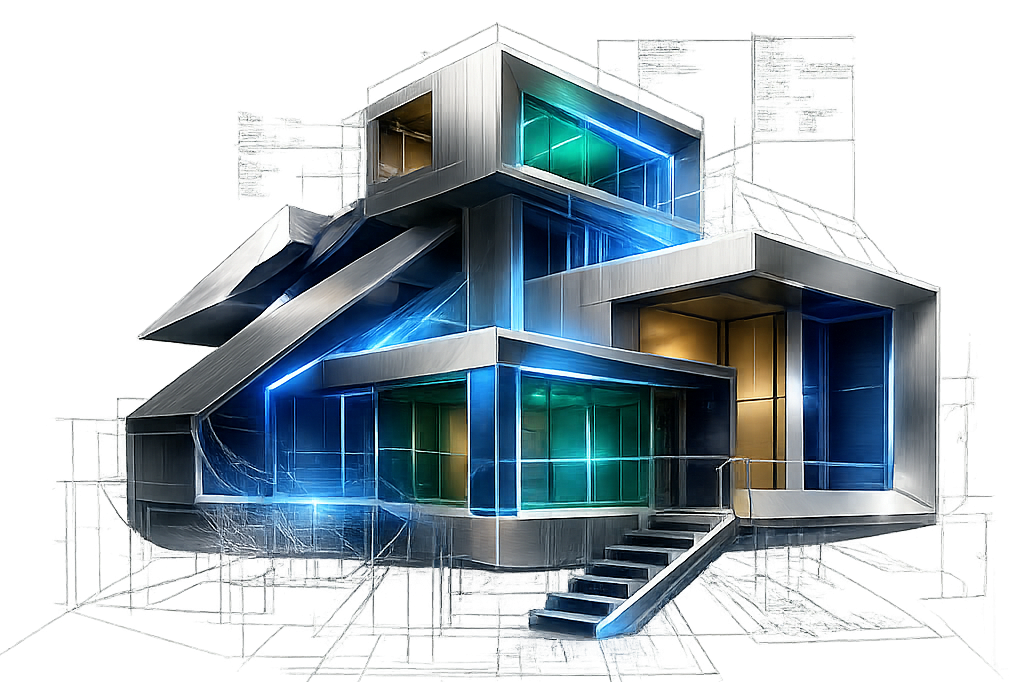
What Is Prefabricated Construction? A Complete Guide
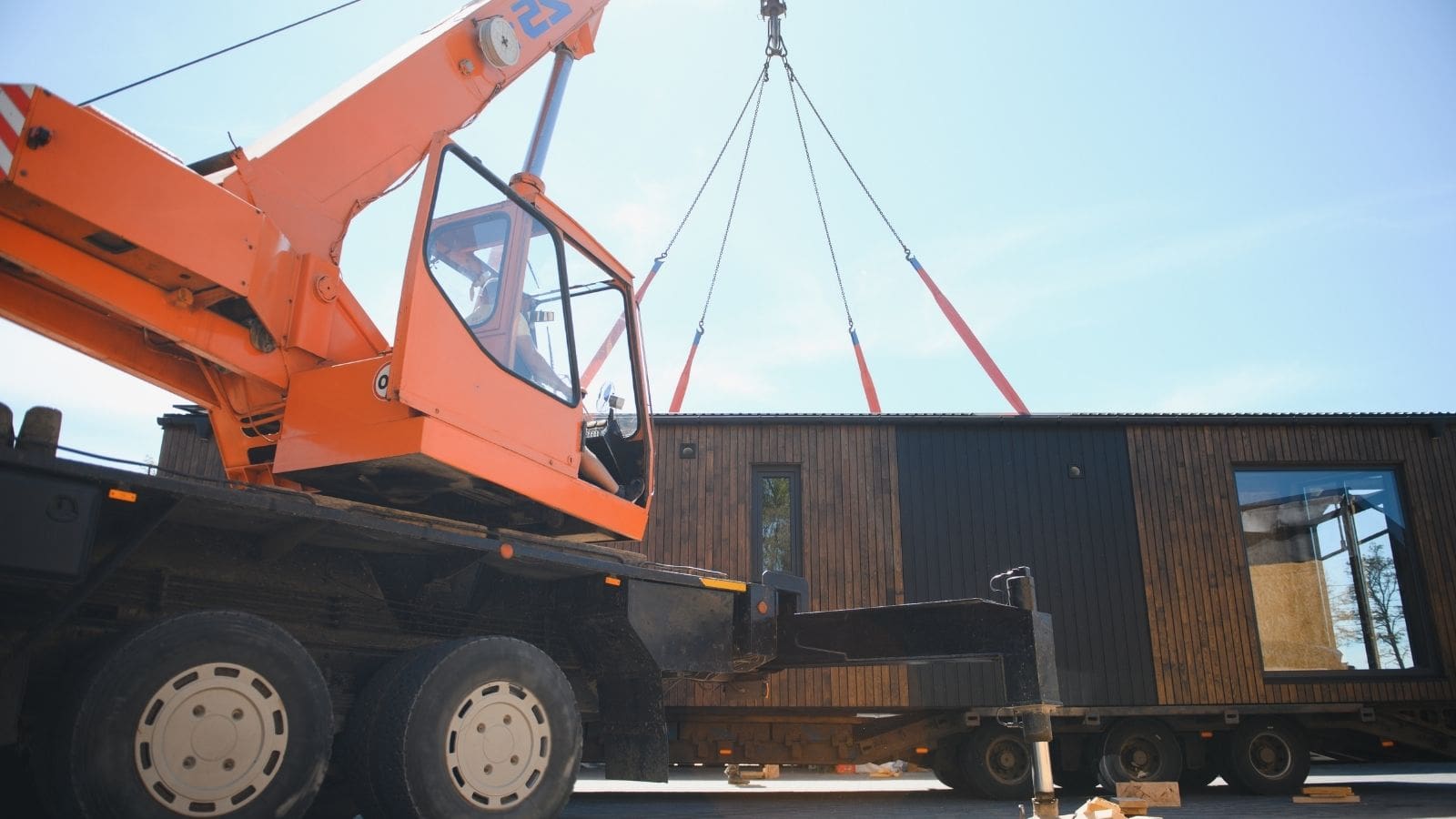
Prefabricated construction means building a home's major components — wall panels, floor systems, sometimes entire rooms — in a factory, then shipping them to the final site for assembly. It's a different sequence from traditional construction, where almost everything happens on site, exposed to weather and schedule delays.
How It Works
Structural components are engineered digitally, cut and assembled under factory conditions, then transported to site as panelized or modular units. A crew assembles the shell in days rather than months, with interior finishing following a normal construction timeline.
Why Developers Choose It
- Faster overall project timelines
- Tighter cost control, since most labor happens in a controlled factory
- Consistent quality — every panel is built to the same spec
- Less waste and less weather-related delay
Prefabrication isn't a single method — it spans everything from panelized wall systems to fully modular units shipped complete with finishes. The right approach depends on the project's scale, site access, and timeline.
Frequently Asked Questions
No. Prefabricated homes are built to the same structural and building code standards as site-built homes — they're simply assembled from factory-made components rather than built entirely on site.